



 Instagram
 Linkedin
 Google +





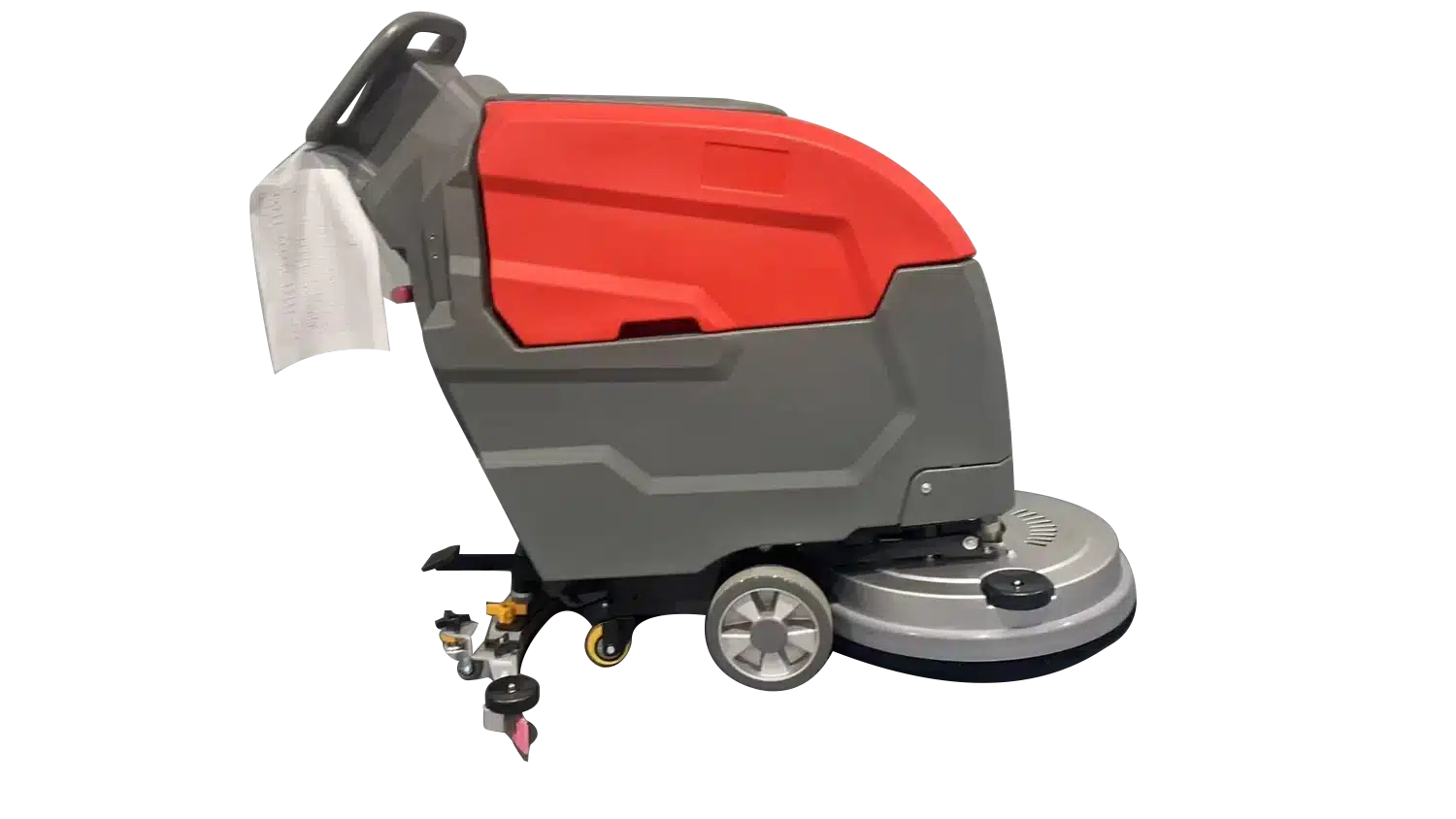
Common troubleshooting methods for floor scrubbers:
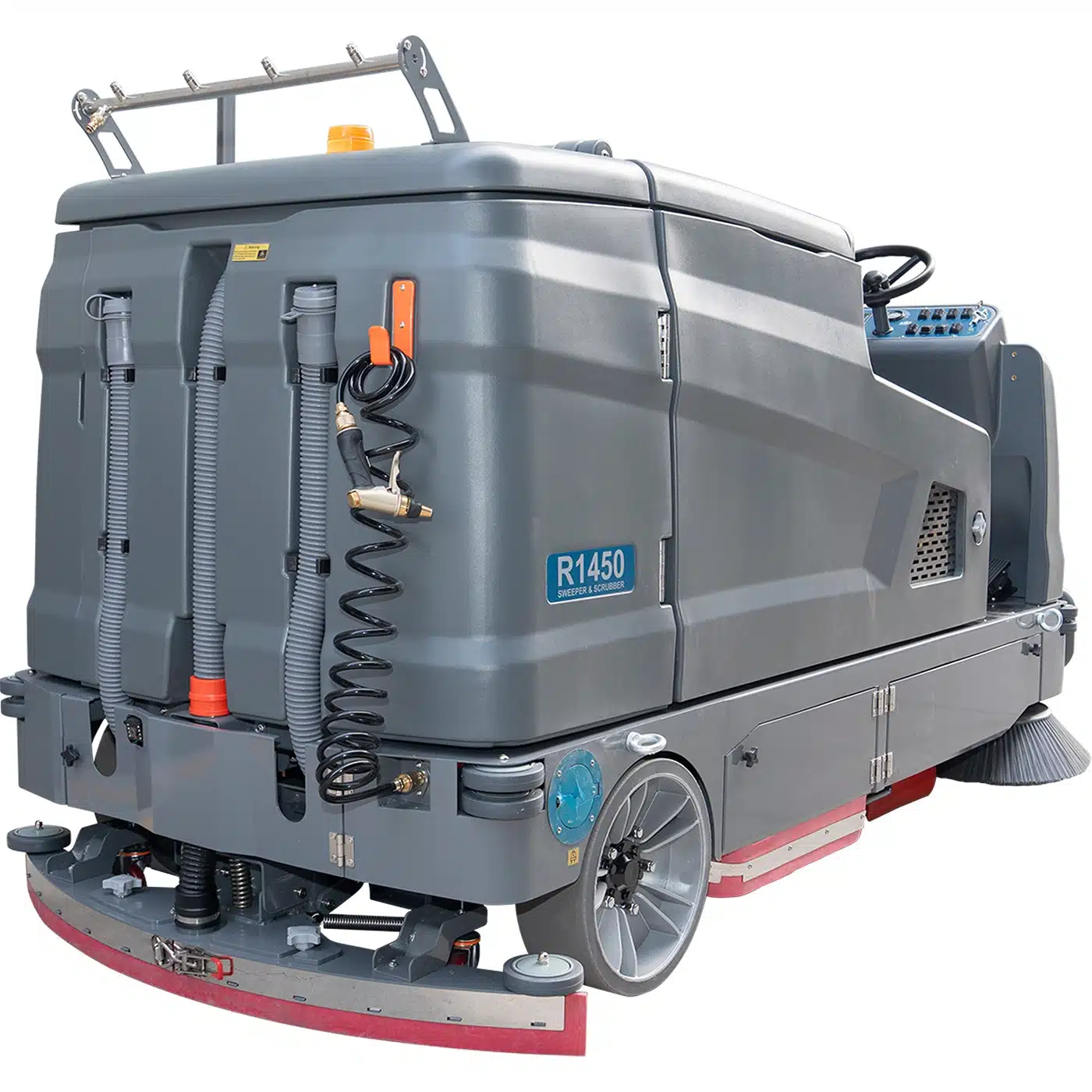
# Common Troubleshooting Methods for Floor Scrubbers ① Floor scrubber fails to suck water / poor water‑sucking performance 1. Verify whether the machine is running (listen for operating sound). 2. Check if the recovery tank cover and sewage pipe cover are tightly sealed. 3. Check if the float filter has been reset. 4. Check if the sewage suction pipe is disconnected and if the suction inlet is clogged. 5. Check if the squeegee blade forms a 45‑degree angle with the ground and whether it is heavily worn. 6. Inspect the fuse (check for blackening or mid‑section breakage). ② Scrub brush plate does not rotate 1. Check the battery charge level for low‑voltage conditions. 2. Check whether the switch functions properly and if any circuit is open‑circuited. 3. Check if the fuse is burnt out or blackened. 4. Check for brush motor damage. ③ No water output / low water flow 1. Check if the filter is clogged. 2. Verify solenoid valve operation (disconnect pipes on both ends for inspection). 3. Check if the drain valve is open or clogged. 4. Check if the water tank outlet is blocked. ④ Complete power loss of the floor scrubber 1. Check whether the emergency‑stop switch has fully rebounded. 2. Inspect the main‑circuit fuse (check for blackening or mid‑section breakage). 3. Check the normal operation of the key lock. 4. Confirm whether the battery has voltage output. 5. Check for key‑switch damage (short‑circuit test is available). ⑤ Floor scrubber cannot travel 1. Check whether the electromagnetic brake has fully released. 2. Determine the fault by observing the flashing frequency of the controller indicator light. 3. Check the battery for insufficient voltage or low‑voltage status. 4. Check for short‑circuit or open‑circuit faults on the accelerator pedal wiring. 5. Check for broken wiring of the travel motor.